




Bangladesh is closely monitoring the rapidly evolving security situation along its border with Myanmar as fighting between the Myanmar military and the Arakan Army intensifies in Rakhine State, raising concerns over border stability and the possibility of a fresh influx of Rohingya refugees.
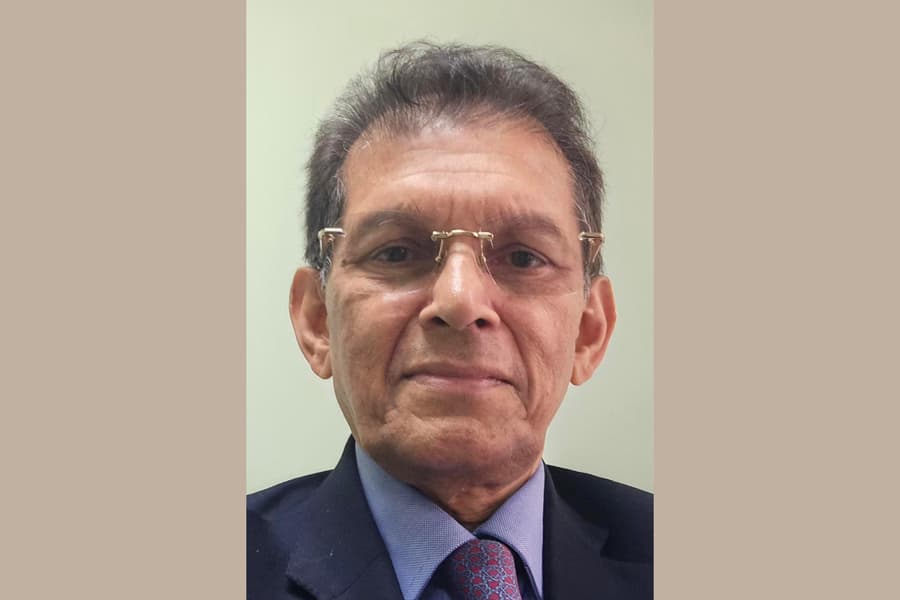
Speaking to reporters at the Ministry of Foreign Affairs on Sunday, Foreign Minister Dr. Khalilur Rahman said the government remains vigilant amid the deteriorating situation across the border.
“We are monitoring the border situation,” the minister said when asked about the latest developments in Myanmar and their potential implications for Bangladesh.
The renewed clashes have sparked anxiety among residents living in Bangladesh’s southeastern border districts, who fear that escalating violence could spill over into the frontier areas. Security analysts have also warned that continued fighting in northern Rakhine could force more civilians, including Rohingyas, to flee into Bangladesh, which already hosts more than one million displaced Rohingya refugees in camps in Cox’s Bazar.
Over the past year, the Arakan Army has emerged as one of Myanmar’s most powerful ethnic armed organizations, seizing control of large parts of Rakhine State following sustained offensives against Myanmar’s military. In response, the junta has intensified airstrikes, artillery shelling and ground operations in an attempt to regain lost territory. The continued conflict has displaced thousands of civilians and further aggravated the humanitarian situation in the region.
When asked about media reports claiming that the chief of the Arakan Army had been injured and was receiving medical treatment in Bangladesh, Dr. Rahman said he had no information to support the reports.
“I have no information regarding this matter,” the foreign minister said.
Bangladesh has repeatedly called for peace and stability in Myanmar and emphasised that the sustainable repatriation of Rohingya refugees depends on the restoration of security, stability and an enabling environment in Myanmar’s Rakhine State.