



History, after all, is usually a one-sided subject, separate from life, studied in books. But physical places are also the ground of history. Old forts, monuments, ruins and memorials are not just tourist attractions or postcard items.
They insidiously influence people's perceptions about themselves. Historical sites shape collective identity and emotional memory, political narratives and even global perceptions. By doing so, they have a tremendous influence over a concept we may refer to as the mass mindset (the attitudes, values and memories shared by a people).
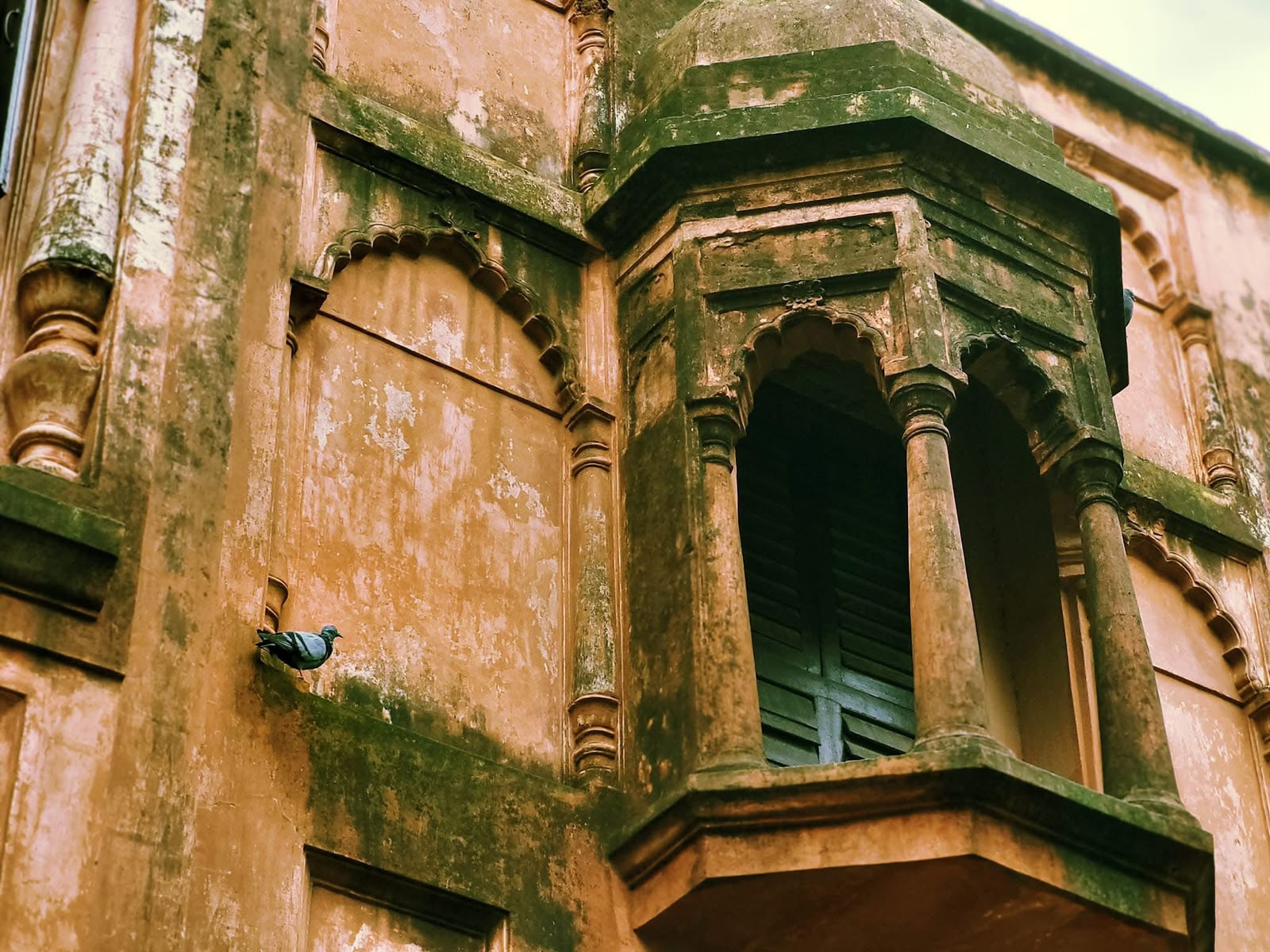
Historical sites can be a major factor in shaping public consciousness, particularly through the process of identity formation. Abstract history is grounded in the real in the form of physical features. Standing before ancient architecture or historic ruins, people are likely to feel a sense of a longer national or cultural narrative.
Think about the enduring power of the Great Wall of China and how it reinforces the stories of strength, civilisation and continuity. Similarly, the site of Machu Picchu isn't just a place of tourism and tourism history, but a place of native ingenuity and heritage.
These are places that enable populations to take to heart a common message: "This is where we come from." Emotions like this eventually become part of collective identity.
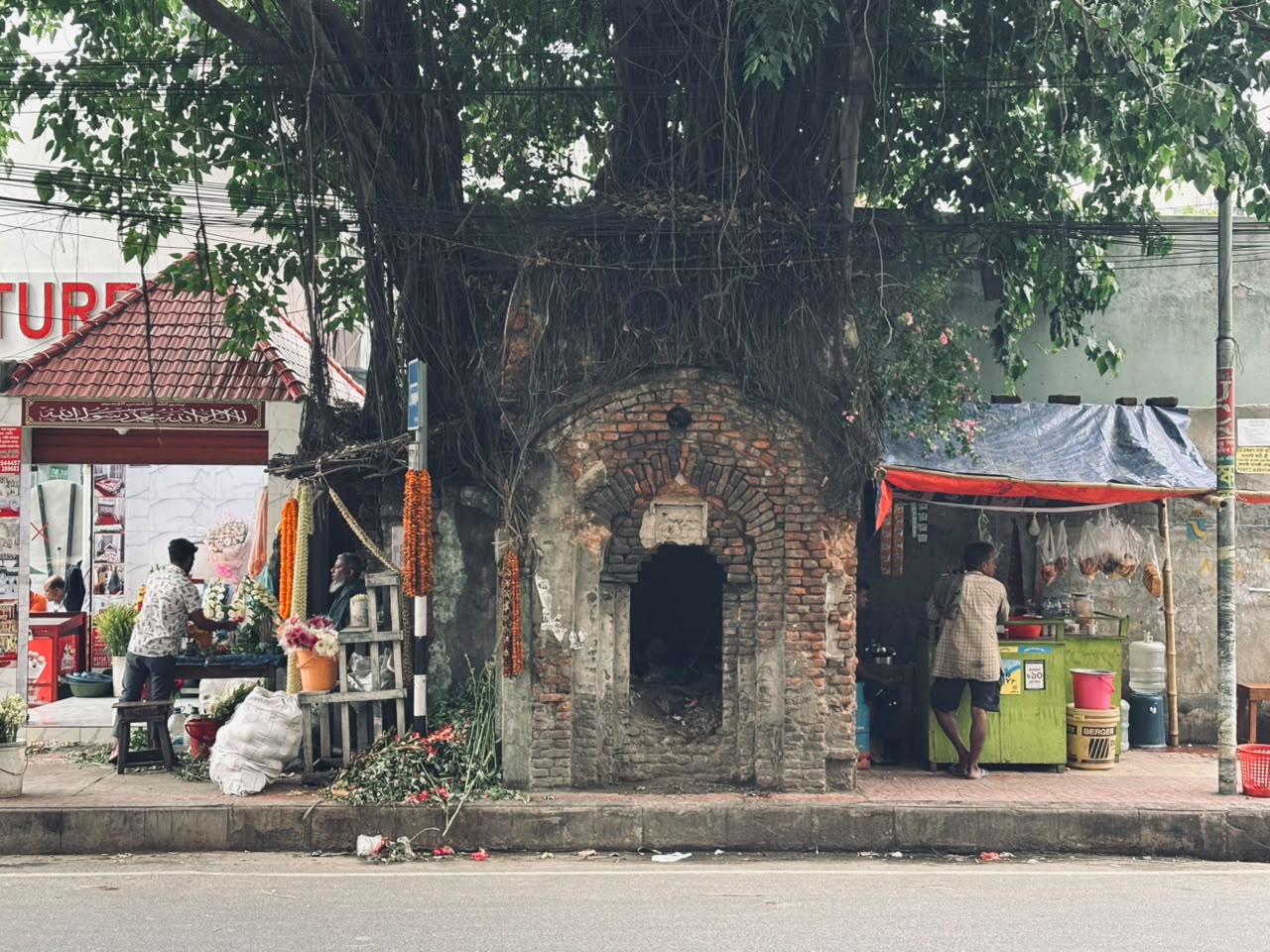
Historical sites are also significant repositories of recollection and moral lessons. Some places call on society to address shameful or embarrassing episodes of history. Auschwitz-Birkenau is a place where the grounds have been preserved to remind us of genocide and human cruelty. Visitors are not just learning facts; they are confronted with memory. Such a tangible experience helps to strengthen moral consciousness and mutual pledges of "never again. The sites differ from textbooks, which can be forgotten and discussed, and the sites retain memory that can't be forgotten. They make history real, influencing society's attitudes toward human rights, tolerance, and responsibility.
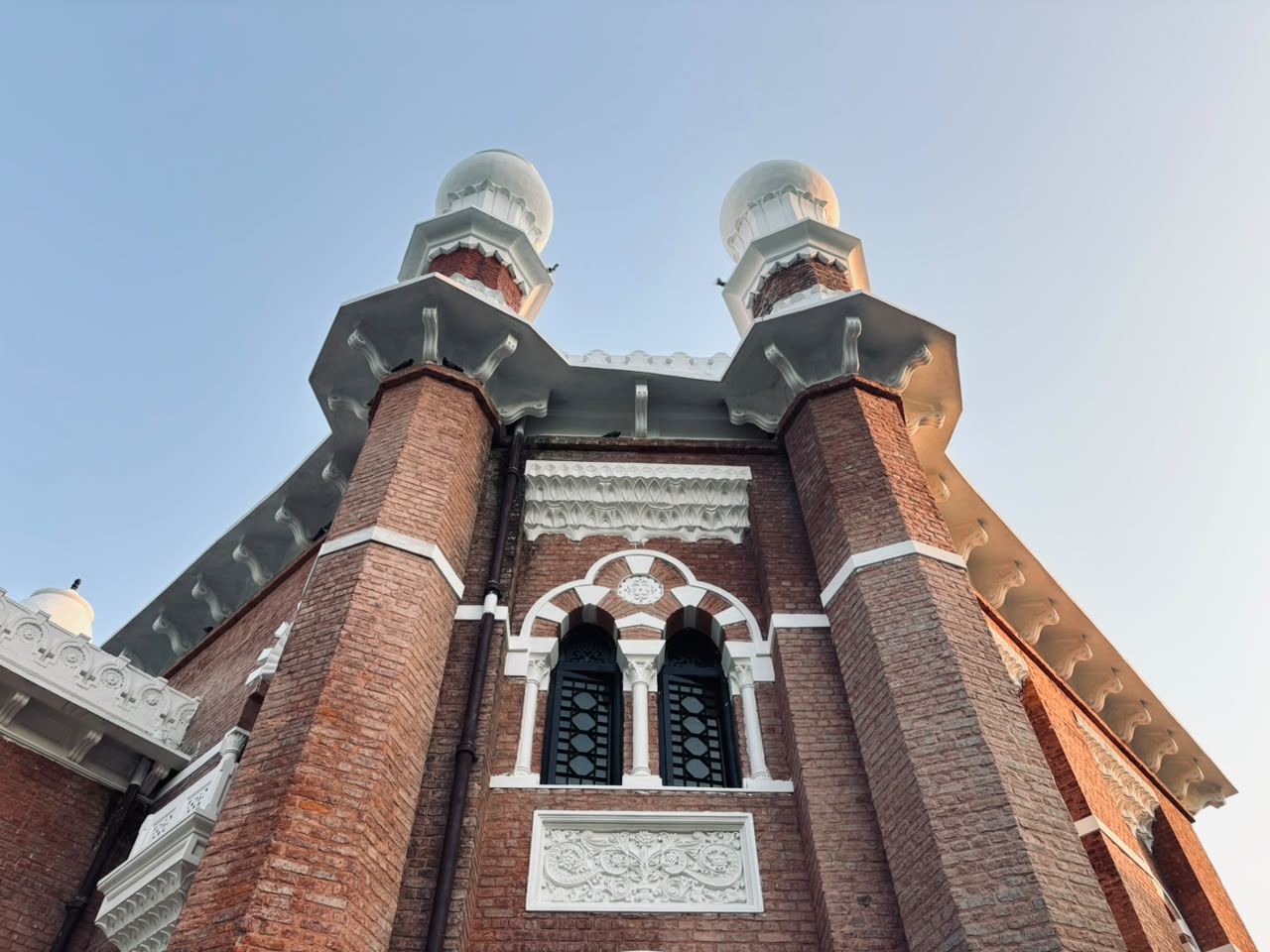
Historical sites are never neutral spaces at the same time. They tend to be mixed up in politics and storytelling. Governments and institutions select the sites for preservation, highlighting or reinterpretation. They shape the public's perception of history. The legacy of the Roman Empire continues to inspire grandeur and imperial continuity in the architectural heritage that is dotted throughout Rome. Preservation helps to strengthen a sense of cultural meaning and historical centrality.
On the other hand, neglected and erased sites may indicate histories that are not pertinent to a society's memory. In this way, historical spaces can be used as frames for collective memory and as a basis for national stories.
Emotional belonging is another element of influence. Historical sites stir up emotions more powerful than mere knowledge. A proud, grieving, awe-inspiring or humbling feeling may arise from standing in an ancient courtyard or memorial field. These emotional reactions reverberate through the media, education systems, and stories, so that even those who have never met can be affected. Emotional attachment creates a sense of belonging – being part of something with a history and a future. This psychological link can help maintain social cohesion by giving people something bigger than themselves.
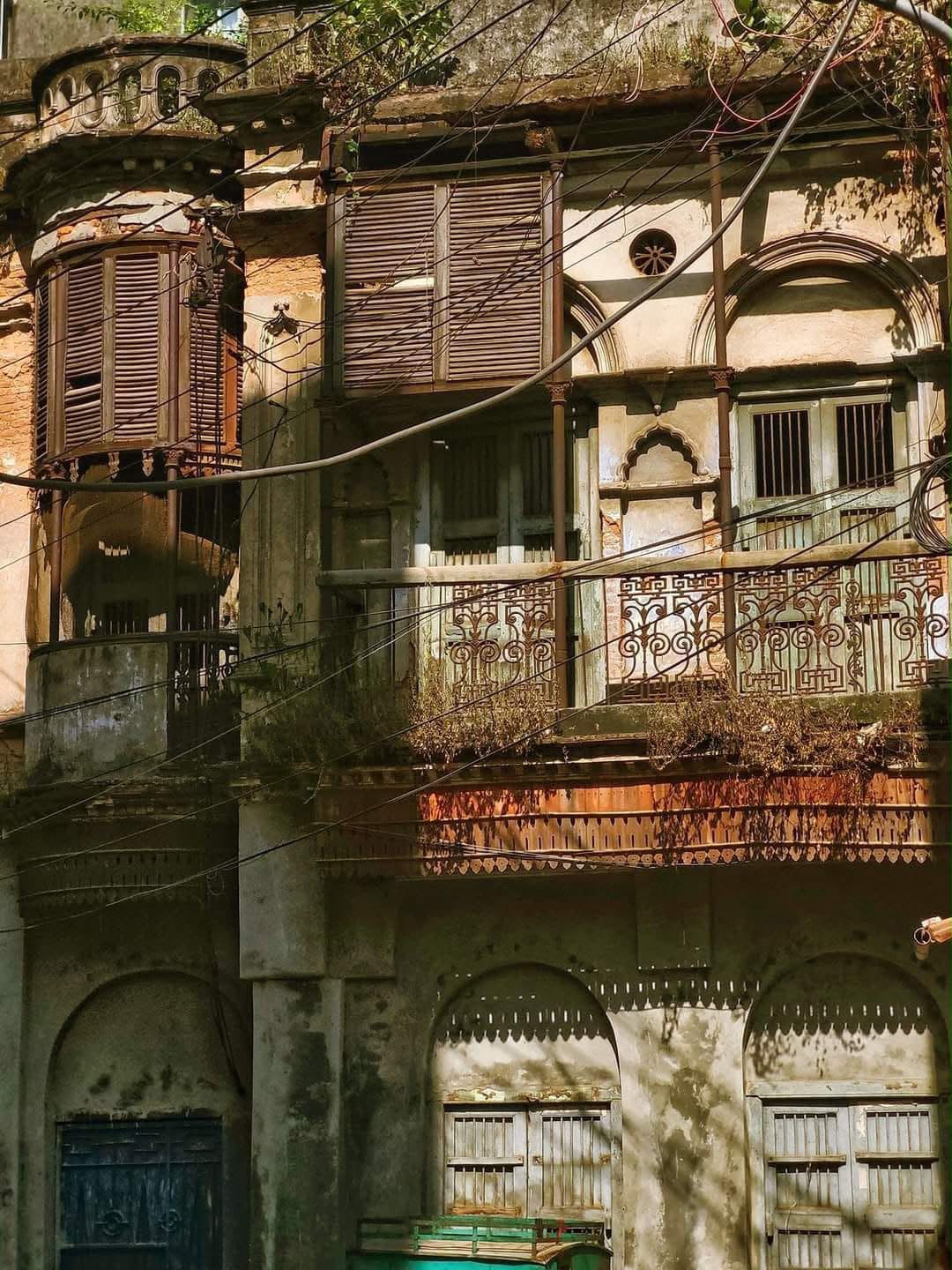
Historical landmarks also help shape global perceptions. The iconic sites become international symbols that shape the world's image of the countries. For instance, the image of the Taj Mahal plays a major role in shaping perceptions of South Asia's artistic and cultural heritage. International recognition feeds back into domestic identity, influencing pride, cultural branding, and tourism policy. The attitudes of outsiders towards a region's heritage can be internalised, reinforcing a sense of the importance of preservation and continuity.
Importantly, the impact of historical sites does not just lie within the sphere of nationalism or tourism. They shape the daily attitude toward time, movement, and belonging. They remind societies that present-day life is not separate from the past. They develop humility and perspective through physical continuity with generations. People who live in the vicinity of historic sites usually gain more insight into the legacy, responsibility, and cultural inheritance. This awareness gently influences public actions: from civic participation to cultural heritage.
Historical sites can have a profound psychological effect in the contemporary digital world, where life takes place in virtual environments. Physical places solidify reality. They provide stability and credibility in a transitory, unverifiable online world. Standing in front of a Monument can change Understanding; a photograph can inform. The experience helps to embed the memory in the body, giving it greater emotional impact.
In the end, historical sites aren't just history. They play a dynamic role in creating social awareness. They shape the community's sense of identity, moral reflection, political narrative, emotional connection, and global perception. They make people realise that history is passed down to them, but it is also continually being rewritten and lived.
Historical sites plant a seed in the minds of the masses, helping to make stones and structures more than just relics. They are markers of the mind, and they help societies to know where they have been, who they are, and where they can go next.
tuhinsaifuldu@gmail.com