




The scheduled LNG cargo delivery at the floating LNG terminal in Maheshkhali has yet to begin due to severe weather conditions. As a result, the supply of regasified liquefied natural gas (RLNG) to the national grid has fallen by approximately 300 million cubic feet per day (MMCFD).
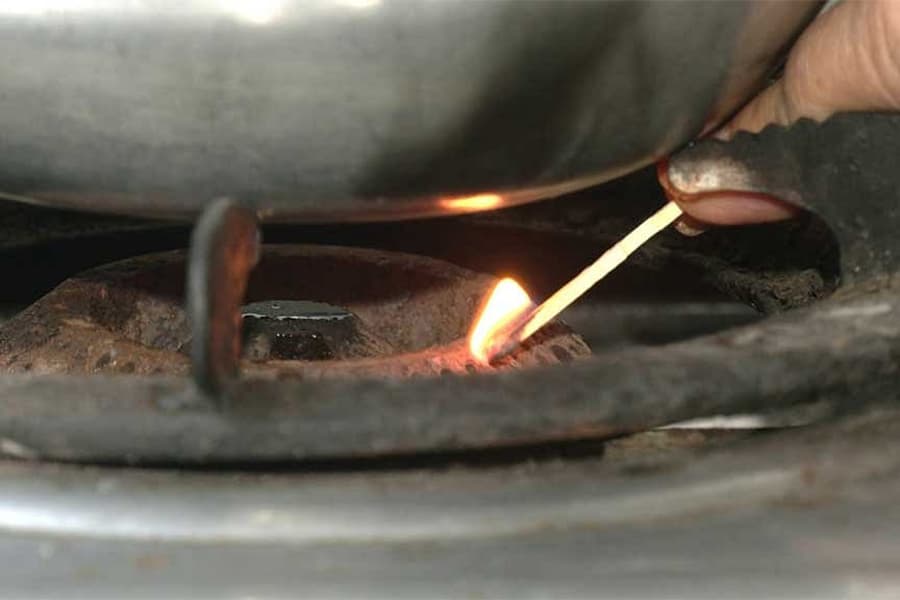
As a consequence, consumers across the country are likely to experience low gas pressure, according to a Petrobangla statement carried by bdnews24.com on Tuesday.
As per the statement, adverse weather prevented the scheduled LNG cargo from being unloaded at the Floating Storage and Regasification Unit (FSRU) in Maheshkhali. Consequently, RLNG supply from the FSRU has decreased by around 300 MMCFD.
Petrobangla said that low gas pressure is expected to persist for all categories of consumers nationwide until weather conditions improve. The state-owned corporation also apologised to customers for the temporary inconvenience.
Imported LNG is converted into natural gas at the floating terminals in Maheshkhali before being fed into the national gas grid. From there, distribution companies supply gas to power plants, fertiliser factories, industries, captive power plants, CNG filling stations, and residential consumers.
As a result, any reduction in gas supply from the FSRUs can affect not only household cooking gas but also industrial production and electricity generation.
According to Petrobangla, the two floating LNG terminals in Maheshkhali have a combined regasification capacity of 1,100 MMCFD. However, because of technical constraints, weather conditions, and supply-related factors, actual RLNG output typically ranges between 800 and 1,000 MMCFD.
Officials said that under Tuesday's conditions, gas supply from imported LNG had dropped to around 500 MMCFD.
Bangladesh's demand for natural gas continues to exceed domestic supply. As production from local gas fields has declined in recent years, the country has become increasingly dependent on imported LNG.
Under the circumstances, any significant disruption in LNG supply quickly reduces pressure in the national gas pipeline network. Areas that already experience low gas pressure are likely to face even greater difficulties, causing increased hardship for consumers.