


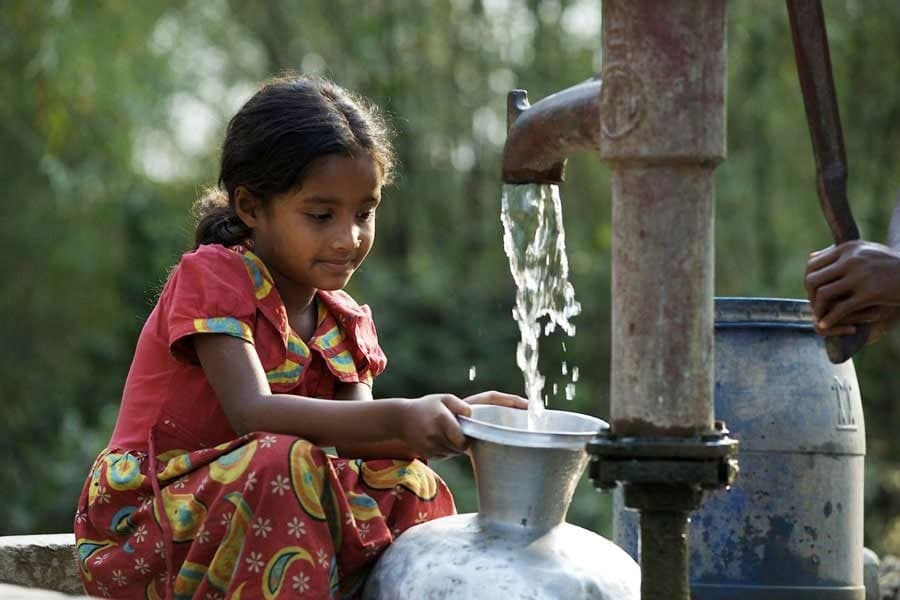
Recent inspection by the Monitoring and Evaluation Wing of the Directorate of Secondary and Higher Education (DSHE) brought to light poor state of water, sanitation and hygiene (WASH) facilities in schools. Of the 740 secondary educational institutions inspected, 52 lacked separate wash blocks for female students, 146 did not have an adequate number of wash blocks, and 131 were found to have unhygienic sanitation facilities. In other words, more than 300 schools have one form of WASH deficiency or another. Given that there are more than 20,000 secondary educational institutions, it would not be surprising if inspections on a larger scale revealed similar shortcomings in many more schools. The situation may be even worse in government primary schools, where hygiene and sanitation facilities are often found to be in a deplorable condition.
Needless to say, access to hygienic WASH facilities is one of the most basic requirements for a safe and conducive learning environment in schools. Any gap in this regard not only undermines students' comfort and dignity, particularly that of girls, but also poses serious health risks and affects regular attendance and overall learning outcomes.
At the secondary level, students typically spend six to eight hours a day at school. Many students suppress the urge to use the restroom because of the fear of using dirty, foul-smelling toilets. This not only causes physical discomfort but also affects their ability to concentrate in class. Many students even avoid drinking water to reduce the need to use school toilets, which leads to malnutrition and dehydration.
The situation is particularly challenging for girls. Absence of separate, safe and hygienic WASH facilities compromises their privacy and may discourage many from attending school during periods. At a time when the country takes pride in having higher enrolment of girls than boys at both the primary and secondary levels, it is simply unacceptable that unhygienic school causes such discomfort and hampers regular attendance.
When it comes to ensuring quality education, policymakers often focus on teachers, textbooks, classrooms, curriculum and digitalisation. However, the United Nations' Sustainable Development Goals made it clear that access to clean water and sanitation is essential for learning. Without it, children miss school, fall sick more often, and face a higher risk of dropping out. The recent DSHE inspection report lays bare the glaring gap in ensuring a safe and conducive learning environment in our schools.
In fact, poor sanitation in schools has been a long-standing problem, but it has never received the attention it deserves. So, this is not merely an infrastructural issue; it is also a question of the authorities' mindset. The first step towards addressing the problem is to recognise that students are entitled to safe and clean WASH facilities. A safe, clean and separate wash block is not a luxury, it is a right. It is indispensable for students' health and well-being, and their ability to concentrate in classes. The authorities cannot ignore this basic obligation.
The authorities concerned must allocate dedicated funds for the construction, regular maintenance, and cleaning of school sanitation facilities. At present, maintenance is often neglected, and facilities quickly fall into disrepair due to inadequate budgeting and weak oversight. Effective measures are therefore essential to ensure that hygiene standards are maintained in all educational institutions.
aktuhin.fexpress@gmail.com